
Understanding the Stain-Resistant Properties of Dental Veneers
The pursuit of a bright, white smile often feels like a constant battle against the foods and beverages we enjoy most. Coffee, tea, red wine, and richly pigmented foods have long been the adversaries of those seeking to maintain pristine teeth. However, veneers Balwyn offer a compelling solution to this age-old problem, providing a surface that naturally resists the staining that plagues natural tooth enamel.
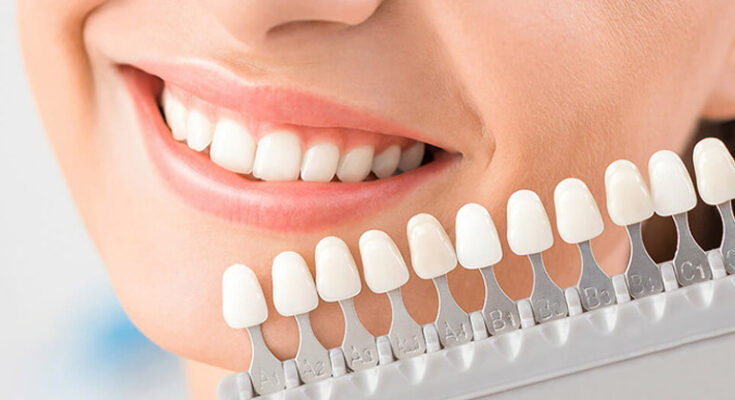
Porcelain veneers, in particular, possess unique characteristics that make them remarkably resistant to discolouration. Unlike natural teeth, which feature porous enamel that readily absorbs pigments, porcelain veneers are crafted from non-porous ceramic material. This fundamental difference in structure means that the compounds responsible for staining simply cannot penetrate the surface in the same way they would with natural teeth.
The glazed surface of a well-crafted veneer mimics the translucency and lustre of natural enamel whilst offering superior protection against dietary stains. This smooth, glass-like finish not only reflects light beautifully but also prevents pigmented molecules from adhering to the tooth surface.
How Porcelain Veneers Withstand Daily Dietary Challenges
The science behind veneer resistance to staining lies in the material composition and manufacturing process. High-quality porcelain veneers undergo firing at extremely high temperatures, which creates a dense, non-porous structure. This process results in a surface that repels staining agents rather than absorbing them, providing long-lasting aesthetic results.
Common Dietary Culprits and Veneer Performance
Several beverages and foods are notorious for causing tooth discolouration, yet veneers maintain their appearance when exposed to these substances:
- Coffee and espresso-based drinks
- Black tea and herbal teas with strong pigmentation
- Red wine and dark spirits
- Berries and berry-based sauces
- Tomato-based sauces and curries
- Dark fizzy drinks
- Soy sauce and balsamic vinegar
Those who regularly consume these items often notice significant staining on natural teeth over time. However, individuals with porcelain veneers can enjoy their favourite foods and beverages with considerably less concern about discolouration. Research into porcelain veneer resistance to surface staining has demonstrated the material’s remarkable ability to maintain its original shade even with frequent exposure to chromogenic substances.
The Role of Surface Texture in Stain Prevention
The exceptionally smooth surface of porcelain veneers plays a crucial role in their stain-resistant properties. Natural tooth enamel, whilst appearing smooth to the naked eye, contains microscopic irregularities and pores where staining compounds can accumulate. Veneers, by contrast, feature a highly polished surface that leaves minimal opportunity for pigments to gain a foothold. This characteristic makes routine cleaning far more straightforward and prevents the gradual build-up of discolouration that typically occurs with natural teeth.
Additionally, the glazing process applied during veneer fabrication creates an impermeable barrier that chromogens cannot breach. This protective layer remains intact throughout the lifespan of the veneer, provided proper care is maintained. For individuals who have struggled with persistent staining despite diligent oral hygiene, this represents a significant advantage.
Maintaining Veneer Appearance Over Time
Whilst veneers offer superior stain resistance compared to natural teeth, maintaining their appearance still requires appropriate care. Regular brushing with non-abrasive toothpaste helps preserve the polished surface without causing scratches that could potentially harbour staining agents. Professional dental cleanings remain important, as they remove any surface deposits that may accumulate along the gum line or between teeth.
It’s worth noting that whilst the veneer itself resists staining, the small amount of bonding cement visible at the margins can potentially discolour over time. This is why precise placement and proper oral hygiene around the veneer edges matter considerably. Understanding the advantages and considerations of dental veneers helps individuals make informed decisions about their cosmetic dental options.
For those who value their daily coffee ritual or evening glass of wine, the stain-resistant nature of veneers offers genuine peace of mind. The ability to enjoy richly coloured foods without immediately reaching for a whitening product represents a quality-of-life improvement that many find invaluable. Furthermore, stain-resistant veneers have become particularly popular amongst coffee enthusiasts who refuse to compromise on their favourite beverages.
Long-Term Benefits of Stain-Resistant Dental Solutions
The longevity of veneers, combined with their resistance to discolouration, makes them a practical choice for individuals seeking lasting cosmetic improvements. Unlike whitening treatments that require periodic repetition, veneers maintain their shade consistently over many years. This stability provides predictable aesthetic results and eliminates the cyclical nature of stain removal and prevention that characterises natural tooth maintenance. For those committed to preserving a bright smile whilst enjoying life’s culinary pleasures, veneers represent a sophisticated solution to an age-old challenge.